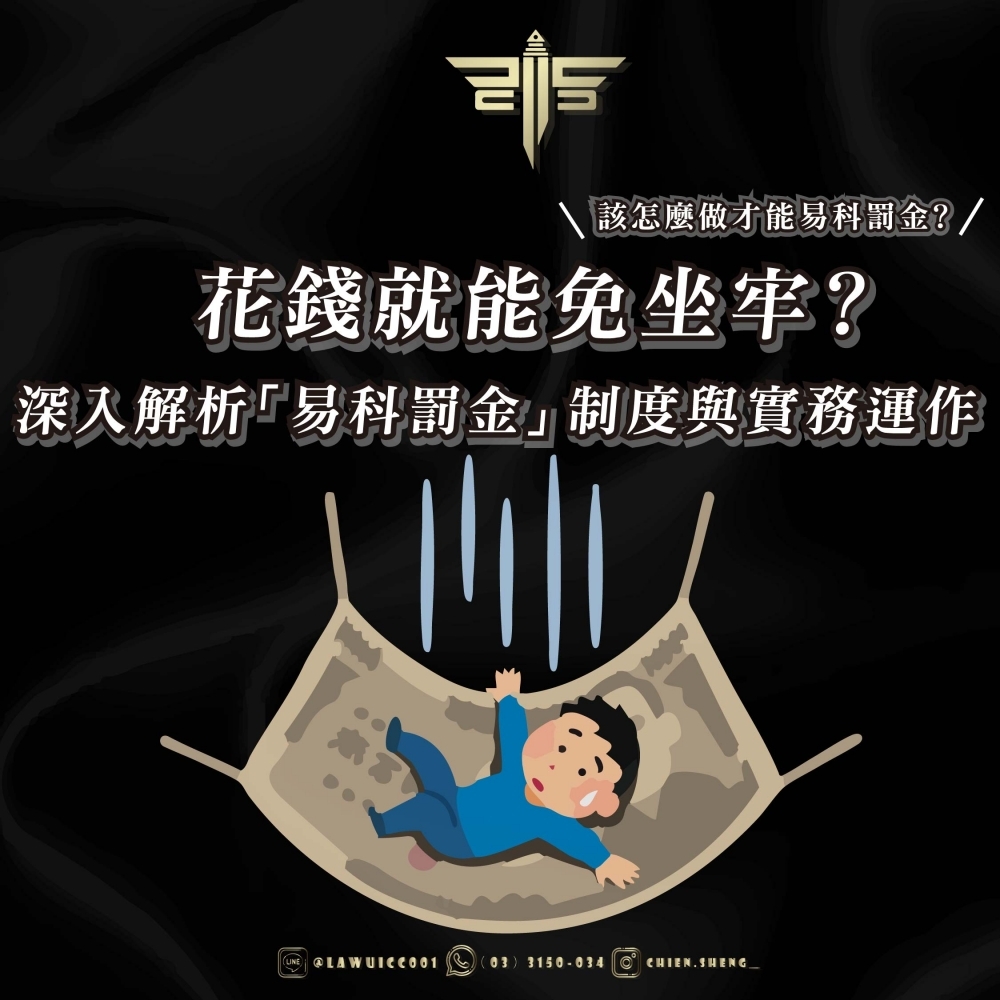
【2026 Taiwan Drugged Driving Law Update】Positive Saliva Drug Test Could Lead to the Confiscation of a Multi-Million-Dollar Vehicle: Is Refusing the Test and Paying a NT$270,000 Fine Really a Better Option?
商品圖像

-
商品資訊
Table of contents
- 1. A Positive Saliva Drug Test May Result in More Than Just a Fine
- 2. Refusing a Drug Test May Also Result in Vehicle Confiscation
- 3. Vehicle Impoundment and Confiscation Are Different Legal Procedures
- 4. A Previous Drug Conviction Does Not Automatically Establish Drugged Driving
- 5. Pay Attention to Testing Procedures and Preserve Relevant Records
A positive rapid saliva drug test may result in fines, driver's license revocation, vehicle impoundment, and possible confiscation. When a vehicle is worth several million New Taiwan dollars, some drivers may wonder: "Instead of having my car confiscated, would it be more economical to refuse the drug test and simply pay the fine?"
➡︎ Although this may appear to be a comparison between the fine and the vehicle's value, under Taiwan's new drugged driving regulations effective October 31, 2026, refusing a drug test is not an alternative that allows drivers to retain their vehicles simply by paying a fine. Refusal itself may also result in vehicle impoundment, driver's license revocation, and confiscation. Focusing solely on the fine may significantly underestimate the overall legal risks.
1. A Positive Saliva Drug Test May Result in More Than Just a Fine
Under Article 35 of Taiwan's Road Traffic Management and Penalty Act, drivers who test positive for controlled drugs may face fines of up to NT$150,000 for car drivers and NT$120,000 for motorcycle riders, along with possible immediate vehicle impoundment and driver's license revocation.
More importantly, the Act also provides for vehicle confiscation in cases involving positive drug test results. Although the vehicle's value may be an important consideration for drivers assessing their risks, the issue cannot be reduced to the amount of the fine. Drivers must also consider possible vehicle confiscation, license revocation, and potential criminal investigations.
2. Refusing a Drug Test May Also Result in Vehicle Confiscation
Under the new regulations, refusing to cooperate with drug-related inspections or testing may result in:
■ A fine of NT$270,000 for the first refusal and NT$450,000 for a second refusal within ten years.
■ For the third and subsequent refusals, progressively increased fines based on the amount imposed for the previous violation.
The legal consequences of refusing a drug test extend beyond financial penalties. The applicable provisions also include immediate vehicle impoundment, driver's license revocation, and confiscation of vehicles involved in drug test refusals.
In other words, refusing a drug test does not necessarily prevent vehicle confiscation, and paying the refusal fine does not guarantee that the driver can retain the vehicle.
Registering the vehicle under another person's name does not automatically protect it from confiscation. Under the new regulations, vehicle ownership alone does not necessarily exclude the possibility of confiscation. Each case must be examined according to the applicable statutory requirements and administrative procedures.
➡︎ Therefore, comparing only the drugged driving fine with the refusal fine and assuming that a fixed payment can protect an expensive vehicle may be based on a mistaken premise. Refusing a drug test is not a vehicle protection strategy. Instead, it may result in higher fines and additional legal consequences alongside vehicle-related penalties.
3. Vehicle Impoundment and Confiscation Are Different Legal Procedures
Immediate vehicle impoundment does not mean that the confiscation procedure has already been completed at the scene.
Impoundment involves removing the vehicle from the scene and placing it in custody, while confiscation is a separate legal measure that requires an administrative decision and subsequent procedures in accordance with applicable regulations.
➡︎ However, this procedural distinction does not mean that refusing a drug test can prevent confiscation. The new regulations include both positive drug test results and refusals to cooperate with drug-related inspections or testing among the circumstances that may lead to vehicle confiscation.
After a vehicle has been impounded, drivers should promptly identify the legal basis for the action, understand subsequent administrative decisions, and confirm the applicable deadlines for seeking legal remedies.
4. A Previous Drug Conviction Does Not Automatically Establish Drugged Driving
A driver's previous involvement in drug-related cases does not establish that the driver has committed drugged driving on the current occasion or that a criminal offense has occurred.
Police traffic stops and roadside drug testing requirements involve different legal issues from arrests or convictions in criminal proceedings.
➡︎ Therefore, a previous criminal record alone cannot establish that a driver has committed a new violation. Conversely, the absence of visible drugs or observed drug use at the scene does not necessarily mean that the police lack legal authority to conduct testing.
The legal basis for the traffic stop, the specific circumstances at the time, the testing location, and the enforcement procedures must be evaluated on a case-by-case basis.
Rapid saliva drug test results may form part of the evidence supporting administrative penalties or subsequent investigations. However, administrative violations and criminal liability must be assessed separately.
Whether the conduct constitutes a criminal drugged driving offense against public safety must be determined under Article 185-3 of Taiwan's Criminal Code and the evidence available in each case. A positive rapid drug test does not automatically establish criminal guilt.
5. Pay Attention to Testing Procedures and Preserve Relevant Records
Under Article 19-4 of the Regulations Governing the Uniform Penalty Standards and Handling of Road Traffic Violations, rapid saliva drug testing must be continuously video-recorded throughout the entire procedure.
Enforcement officers must also inform drivers of the test kit's expiration date, testing procedures, result interpretation methods, and valid interpretation period. They must communicate the test results and prepare the relevant enforcement records.
When asked to undergo drug testing, drivers may calmly inquire about the legal basis and applicable enforcement procedures while paying attention to the information provided, video recording, and relevant documentation.
➡︎ If there are concerns regarding the legality of the testing or traffic stop, drivers should record the time, location, and specific circumstances. Traffic violation notices, drug testing records, and vehicle impoundment documents should also be preserved for subsequent legal review.
Refusing a drug test does not necessarily prevent further investigations or other legally authorized evidence collection procedures.
Whether authorities may subsequently collect urine or other biological samples, and whether such procedures are lawful, must be assessed according to the applicable laws and the actual circumstances of each case.
Conclusion: Do Not Treat the Drug Test Refusal Fine as a "Vehicle Protection Fee"
When a vehicle is worth several million New Taiwan dollars, drivers may naturally wish to compare the financial costs of different options.
However, under Taiwan's new drugged driving regulations, refusing a drug test does not mean that paying NT$270,000 will protect a vehicle from confiscation. Refusal may simultaneously result in substantial fines, driver's license revocation, vehicle impoundment, and confiscation.
➡︎ If you have received a drugged driving or drug test refusal violation notice, or if your vehicle has been impounded, you should promptly review the applicable legal provisions, testing records, administrative decisions, and deadlines for seeking legal remedies.
 Chien Sheng International Law Firm reminds drivers that drugged driving cases may involve both administrative penalties and criminal proceedings. Potential procedural violations and evidentiary issues must be evaluated based on the specific facts and records of each case. Decisions should not be based solely on the assumption that refusing a drug test is a cheaper alternative.
※ The legal information in this article is current as of November 6, 2026, and is provided for general informational purposes only. It does not constitute legal advice for any individual case.
This reduces both medical risks and potential legal exposure.
Chien Sheng International Law Firm

LINE Online Legal Consultation: @lawuicc001 (Click to consult)
Welcome to call to schedule a meeting: 03-3150-034
Multiple payment methods available: Cash, Credit Card, Bank Transfer
Facebook: Chien Sheng International Law Firm
Instagram: chien.sheng_
-
商品Q&A