“Zombie Vape” Drug-Impaired Driving Crisis in Taiwan: Etomidate Risks, New Penalties, and Legal Defense
商品圖像

-
商品資訊
目錄
- 1. What Is a “Zombie Vape,” and Why Has It Become a Major Cause of Drug-Impaired Driving?
- 2.Etomidate Reclassified as a Category 1 Narcotic
- 3. Possession of E-Cigarettes May Also Be Penalized: Latest Tobacco Law Developments.
- 4.Possible Solutions to the Growing Drug-Impaired Driving Crisis
- 5. Why Do Drug-Related Cases Require Experienced Legal Counsel?
- 6. Chien Sheng International Law Firm: Experienced Defense for Drug and Drug-Impaired Driving Cases
In recent years, Taiwan has seen repeated serious traffic accidents involving drivers who had used controlled drugs.
Although the government has strengthened enforcement and penalties for drunk driving, drug-impaired driving remains a growing public safety concern.
At the center of this issue is a new type of illicit vaping product commonly known as a “zombie vape.”
This article explains the risks associated with zombie vapes, recent changes in the legal classification of etomidate, developments in e-cigarette regulation, and the legal issues that may arise in drug-impaired driving cases.
1. What Is a “Zombie Vape,” and Why Has It Become a Major Cause of Drug-Impaired Driving?
The main active ingredient associated with so-called “zombie vapes” is etomidate.
Etomidate was originally used as a legitimate medical anesthetic. However, illicit sellers began mixing it into e-cigarette liquids and distributing the products on the black market under names such as “high-inducing vapes.”
Because these products often look almost identical to ordinary e-cigarettes, users may underestimate their risks.
One of the main reasons zombie vapes are associated with serious traffic accidents is the extremely rapid onset of their effects.
Within approximately 30 to 60 seconds after inhalation, users may experience dizziness, impaired consciousness, loss of bodily control, severe involuntary muscle tremors or spasms, and even an inability to stand.
These symptoms can make a person appear disoriented or physically unstable, giving rise to the term “zombie vape.”
If a driver inhales such a substance while driving, concentration and judgment may deteriorate almost immediately.
The driver may lose control of the steering wheel, misjudge traffic conditions, or suddenly press the accelerator or brake incorrectly, creating an extremely serious danger to other road users.
Compared with traditional drug use, which may require syringes or other specialized equipment, zombie vapes can be used with an ordinary vaping device.
➡︎ This makes them highly concealable and has led to reports of drivers inhaling them while driving, making enforcement more difficult.
2. Etomidate Reclassified as a Category 1 Narcotic
Because of the serious public safety risks associated with etomidate and repeated fatal drug-impaired driving incidents, Taiwan rapidly tightened its legal control of the substance.
The regulatory timeline was unusually fast:
■ In August 2024, etomidate was classified as a Category 3 narcotic.
■ In November 2024, it was upgraded to Category 2.
■ On June 4, 2026, the Executive Yuan approved a policy to reclassify etomidate as a Category 1 narcotic.
■ On June 17, 2026, the Ministry of Justice’s narcotics review committee approved the classification of nine etomidate-related substances as Category 1 narcotics and two precursor substances as Category 4 controlled substances.
■ From June 27, 2026, etomidate-related narcotics were officially classified as Category 1 narcotics, placing them in the same highest-control category as heroin, morphine, opium, and cocaine.
Under Taiwan’s strict approach toward drug-impaired driving, a driver who is required to undergo urine or blood testing after a roadside stop or accident may face criminal investigation if controlled substances are detected.
3. Possession of E-Cigarettes May Also Be Penalized: Latest Tobacco Law Developments
Taiwan’s Tobacco Hazards Prevention Act already prohibits the manufacture, import, sale, supply, display, advertising, and use of e-cigarettes and similar tobacco-like products.
Users may face administrative fines.
However, under the previous framework, simple possession of an e-cigarette was not always expressly punishable.
This created an enforcement gap: if authorities found a person holding an e-cigarette but did not observe actual use, immediate penalties could be difficult to impose.
To address this issue, the Executive Yuan approved a draft amendment to the Tobacco Hazards Prevention Act on June 25, 2026.
Key proposed changes include:
➡︎ 1. Possession of e-cigarettes and related components: A person found in possession may face confiscation of the products and a fine of up to NT$100,000.
➡︎ 2. Manufacturing, importing, supplying, or selling e-cigarettes: These acts would be upgraded from administrative violations to criminal offenses.
➡︎ 3. Bringing e-cigarettes into Taiwan: Entry with prohibited e-cigarette products would also become subject to penalties.
➡︎ 4. Online platform regulation: Internet service providers and platforms would be required to establish risk-control and self-regulation mechanisms for illegal e-cigarette-related information.
The draft amendment has been submitted to the Legislative Yuan for review.
If passed, merely possessing an e-cigarette—even without being caught using it—may result in substantial fines and confiscation of the product.
4. Possible Solutions to the Growing Drug-Impaired Driving Crisis
1. Stronger Criminal and Administrative Penalties
Some commentators argue that harsher penalties are necessary to deter drug-impaired driving.
Proposals have included substantially increasing penalties where drug-impaired driving causes death or serious injury.
On the administrative side, transportation authorities have also considered stricter driver’s license sanctions for people found to have used illegal drugs.
2. Establishing a Driver Fitness Assessment System
Some experts have suggested adopting a system similar to Germany’s driver fitness assessment model.
Under such a system, a person found using drugs could lose driving privileges and would be required to complete addiction treatment and pass professional medical and psychological assessments before becoming eligible to obtain a driver’s license again.
The goal would be to prevent high-risk individuals from returning to the road before they are medically and psychologically fit to drive.
3. Strengthening Medical Treatment and the Social Safety Net
Medical professionals and researchers have emphasized that drug dependence is also a health and rehabilitation issue.
Criminal punishment alone may not be sufficient to reduce repeat offending.
A more comprehensive approach may include improved addiction treatment environments, greater access to psychological counseling, stronger post-release employment support, and longer-term rehabilitation resources.
5. Why Do Drug-Related Cases Require Experienced Legal Counsel?
With etomidate now classified as a Category 1 narcotic and stricter regulation of e-cigarettes under consideration, conduct involving controlled substances can result in extremely serious legal consequences.
Some individuals may experiment out of curiosity or unknowingly come into contact with an e-cigarette containing etomidate, only to later face significant criminal allegations.
Drug cases often involve complex evidentiary and procedural issues, including:
■ the timing and reliability of urine or blood testing;
■ legality of searches and seizures;
■ admissibility and reliability of co-defendant statements;
■ whether the evidence is sufficient to prove actual drug-impaired driving;
■ whether observation and rehabilitation may apply; and
■ whether deferred prosecution with addiction treatment may be available.
These issues require careful legal analysis and experience with drug-related criminal investigations.
In the early stages of an investigation, defendants may be questioned by police, prosecutors, or investigative authorities.
Because individuals may be nervous or unfamiliar with their rights, they may unintentionally make statements that later become damaging evidence.
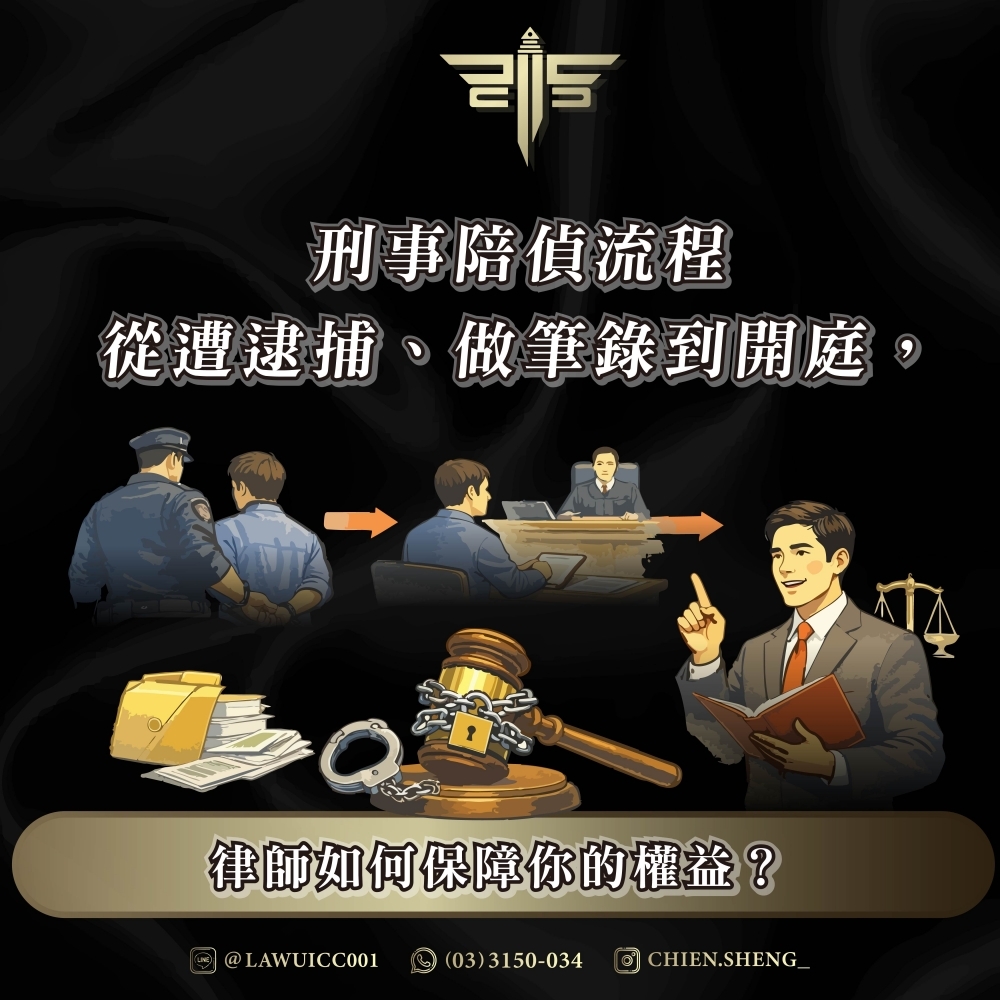
Having a lawyer experienced in drug cases present during questioning can help protect the defendant’s right to remain silent, right to counsel, and right to defend against the allegations.
6.Chien Sheng International Law Firm: Experienced Defense for Drug and Drug-Impaired Driving Cases
Chien Sheng International Law Firm has extensive experience handling drug-related criminal cases, including drug use, possession, manufacturing, transportation, sale, and drug-impaired driving.
Our legal team develops defense strategies based on the specific facts, evidence, and procedural posture of each case.
1. Drug Use Cases
We assist clients in evaluating whether observation and rehabilitation, deferred prosecution with addiction treatment, or other legally available alternatives may apply.
2. Drug Possession Cases
We examine the legality of searches and seizures, laboratory testing, chain of custody, and the admissibility of prosecution evidence in order to identify the strongest available defense.
3. Drug Manufacturing, Transportation, and Sale Cases
Our lawyers have experience handling serious cases involving alleged international drug transportation, drug manufacturing operations, and drug sales.
We analyze the defendant’s actual role, intent, communications, financial flows, physical evidence, and other relevant circumstances.
4. Drug-Impaired Driving Cases
We assist clients accused of unsafe driving after drug use under Article 185-3 of the Criminal Code, as well as related civil compensation claims.
Where both criminal and civil proceedings are involved, we can coordinate defense strategies across both matters.
Our attorneys also provide representation during police and investigative questioning in drug-impaired driving cases.
From initial questioning and searches to prosecutorial investigation and trial, Chien Sheng International Law Firm can provide legal support throughout the criminal process.
【Related Successful Cases】
► Taipei Criminal Defense Case: Driver Crashed After Ketamine Use — Non-Prosecution
► Arrested for Drug-Impaired Driving After Ketamine Use — Deferred Prosecution Successfully Obtained
► Drug-Impaired Driving Case — Lawyer Successfully Secured Deferred Prosecution
► Arrested for Driving After Drug Use — Deferred Prosecution Obtained Without Imprisonment
► Can Drug-Impaired Driving Result in a Suspended Sentence? Defense Strategy Explained
► Successful Suspended Sentence in a Drug-Impaired Driving Case
 Chien Sheng International Law Firm also has extensive experience handling fraud-ring cases, illegal fundraising schemes, Banking Act cases, and Money Laundering Control Act matters.
Drug-related cases can develop quickly, and decisions made during the earliest stage of an investigation may significantly affect the outcome.
If you or a family member is facing a drug-related or drug-impaired driving investigation, early legal assistance can help clarify the evidence, protect procedural rights, and identify available defense or mitigation strategies.
Chien Sheng International Law Firm provides experienced criminal defense representation in drug-related cases and can assist from the investigation stage through trial.
Chien Sheng International Law Firm

LINE Online Legal Consultation: @lawuicc001 (Click to consult)
Welcome to call to schedule a meeting: 03-3150-034
Multiple payment methods available: Cash, Credit Card, Bank Transfer
Facebook: Chien Sheng International Law Firm
Instagram: chien.sheng_
-
商品Q&A